Learning with AIEducation quality
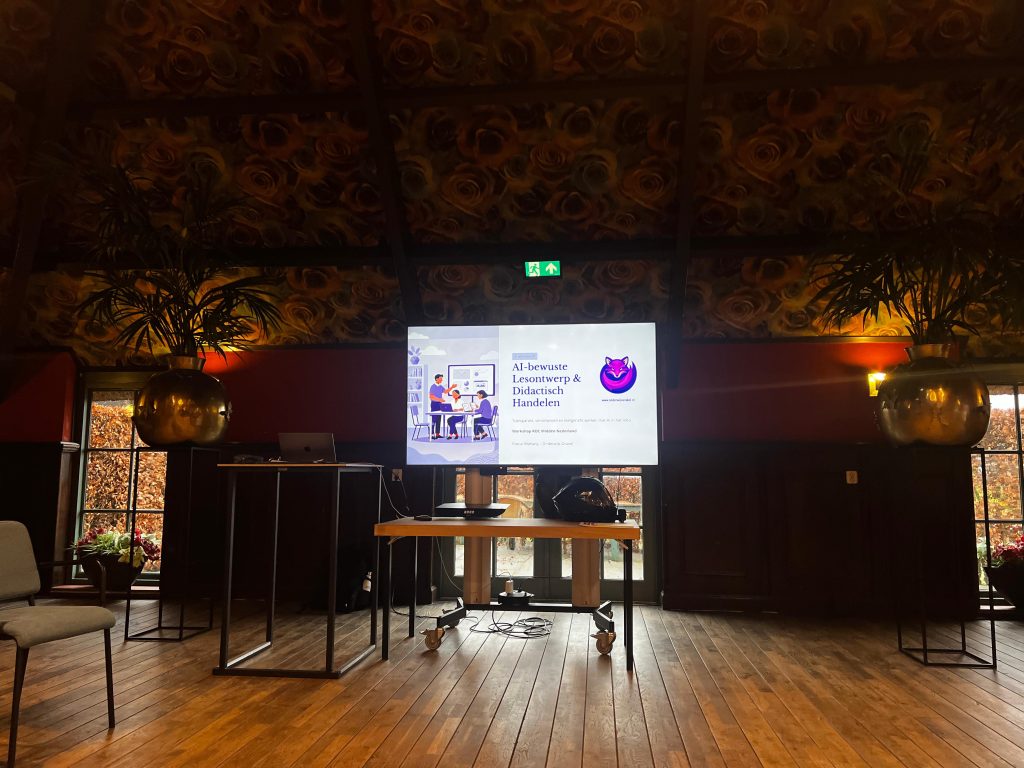
AI workshop: AI-aware lesson design & teaching practice

What happens when you approach AI not as a gadget, but as a question of instructional design?
You get exactly this: an energetic, sharp and above all practical AI literacy training in which teachers themselves are at the helm.
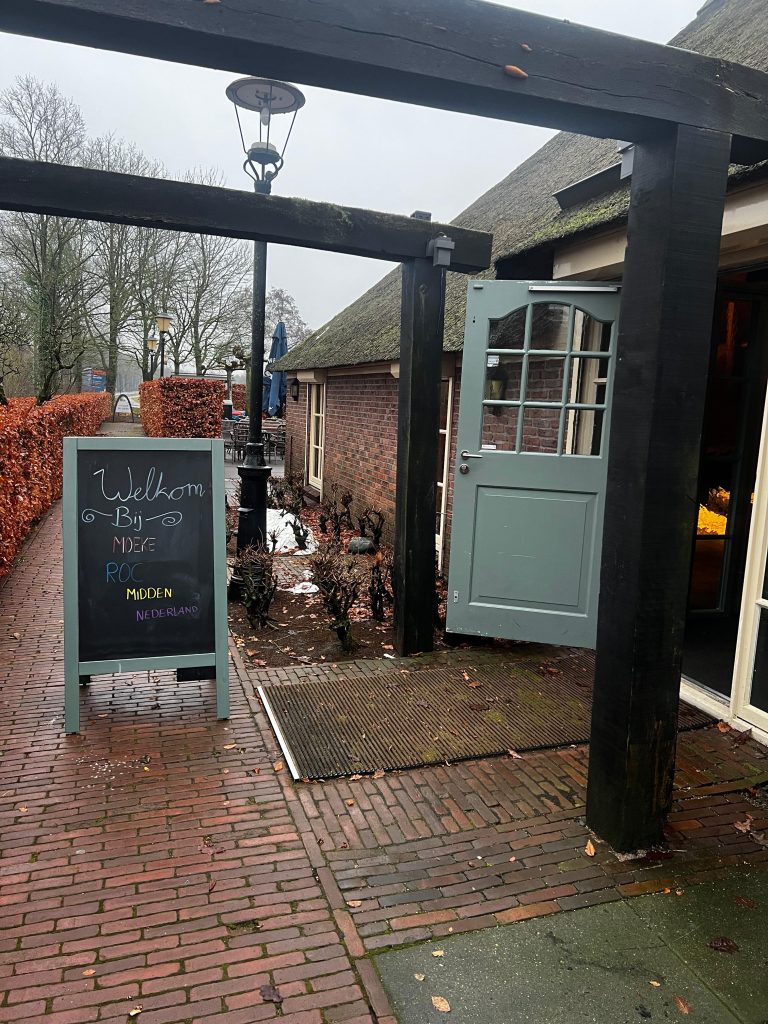
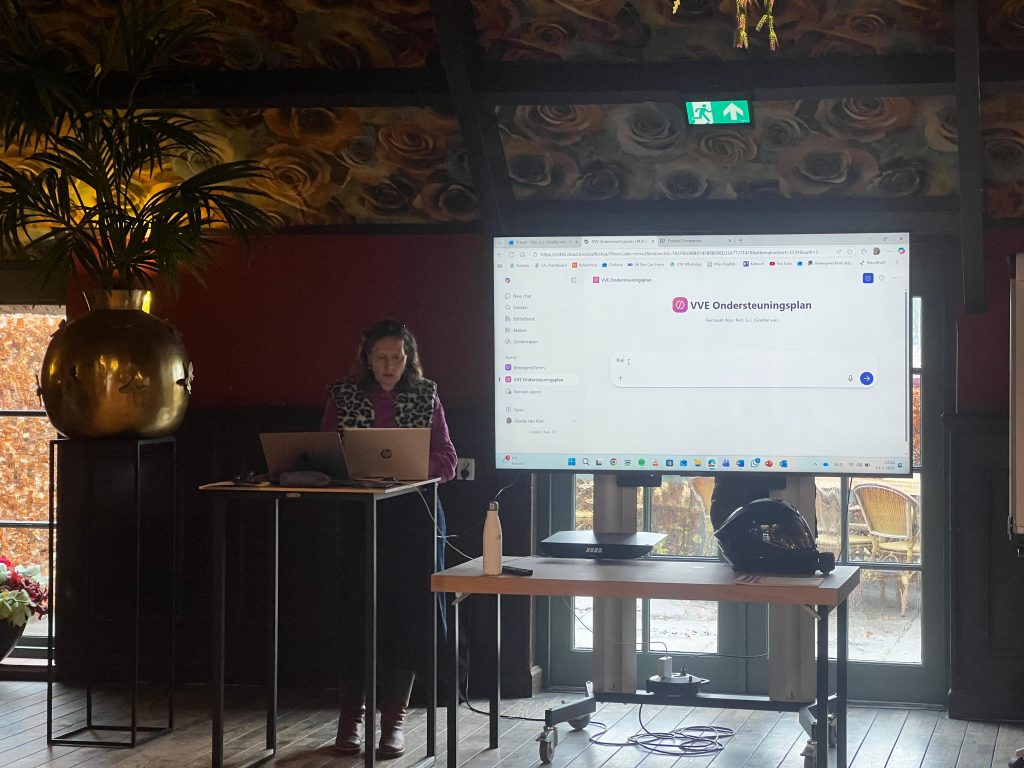
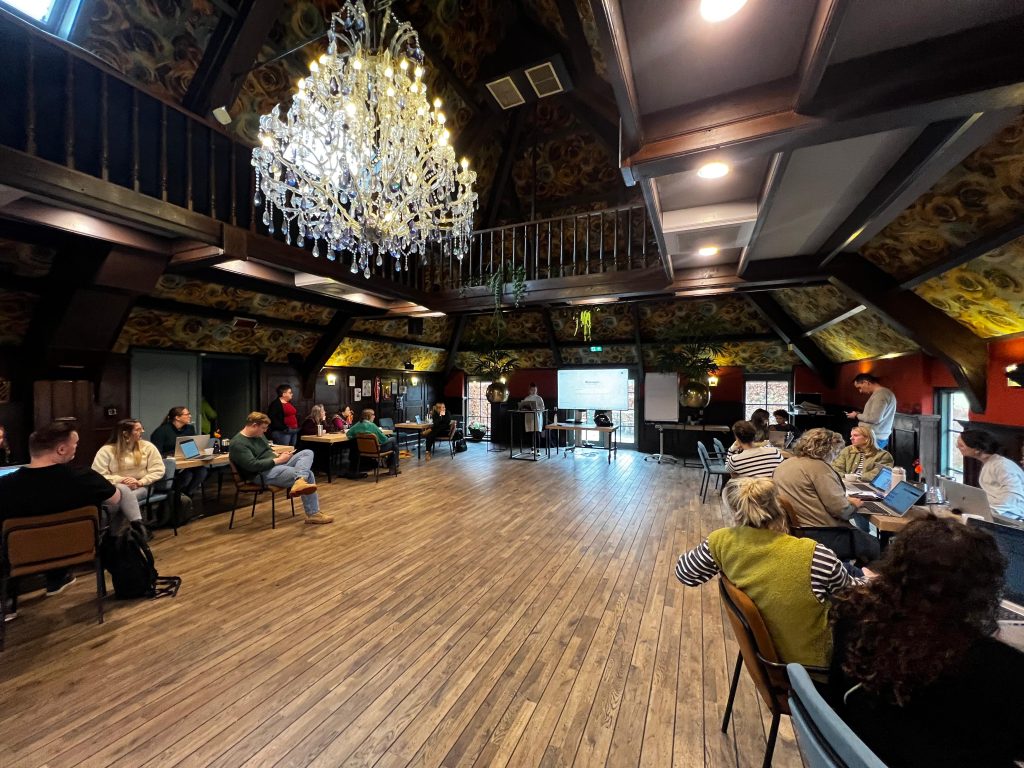
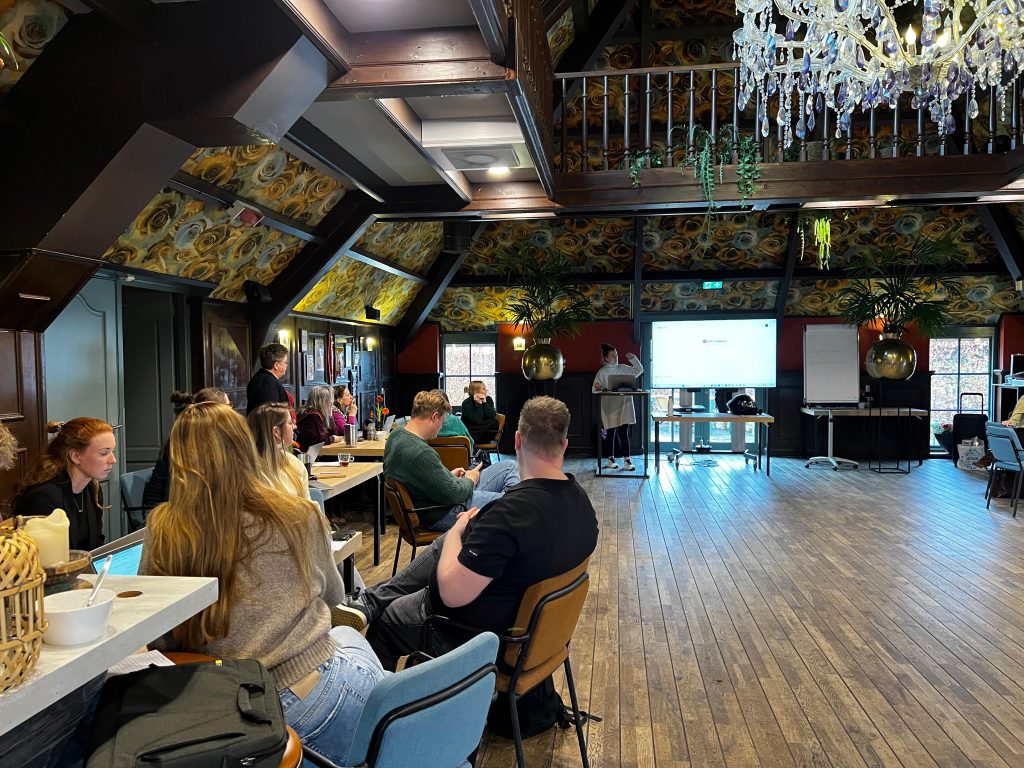
During the workshop AI-Aware Lesson Design & Teaching Practice, teachers from ROC Midden Nederland explored together the question that really matters: how do we use AI in a way that strengthens learning, without taking over the students' thinking?


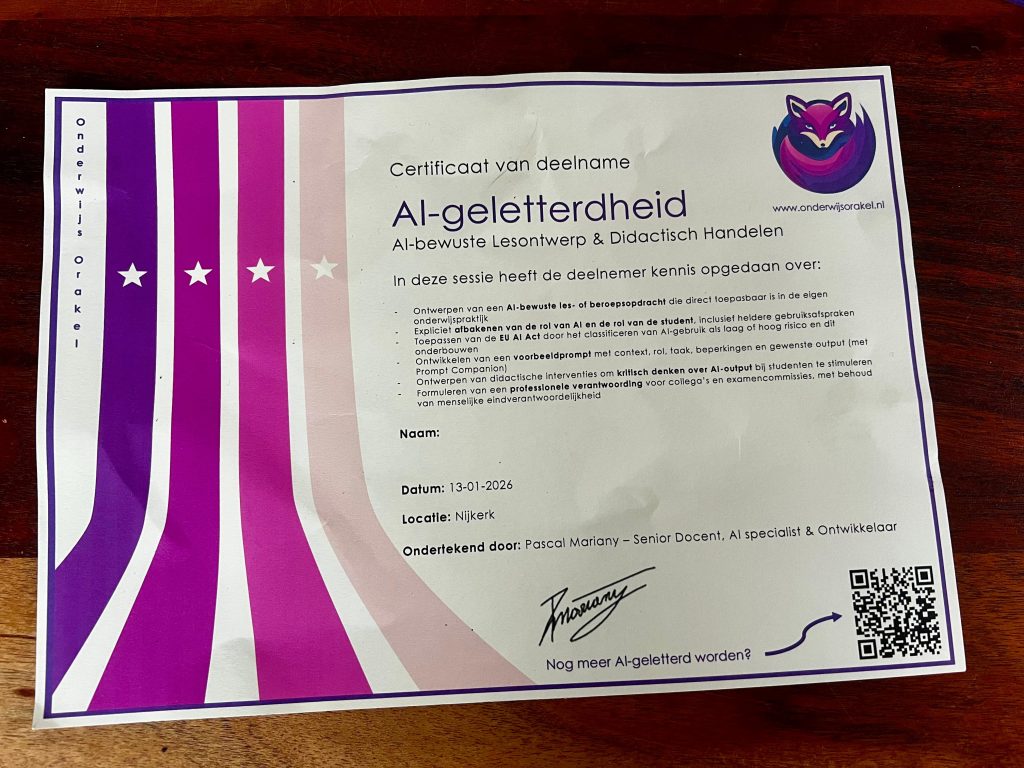
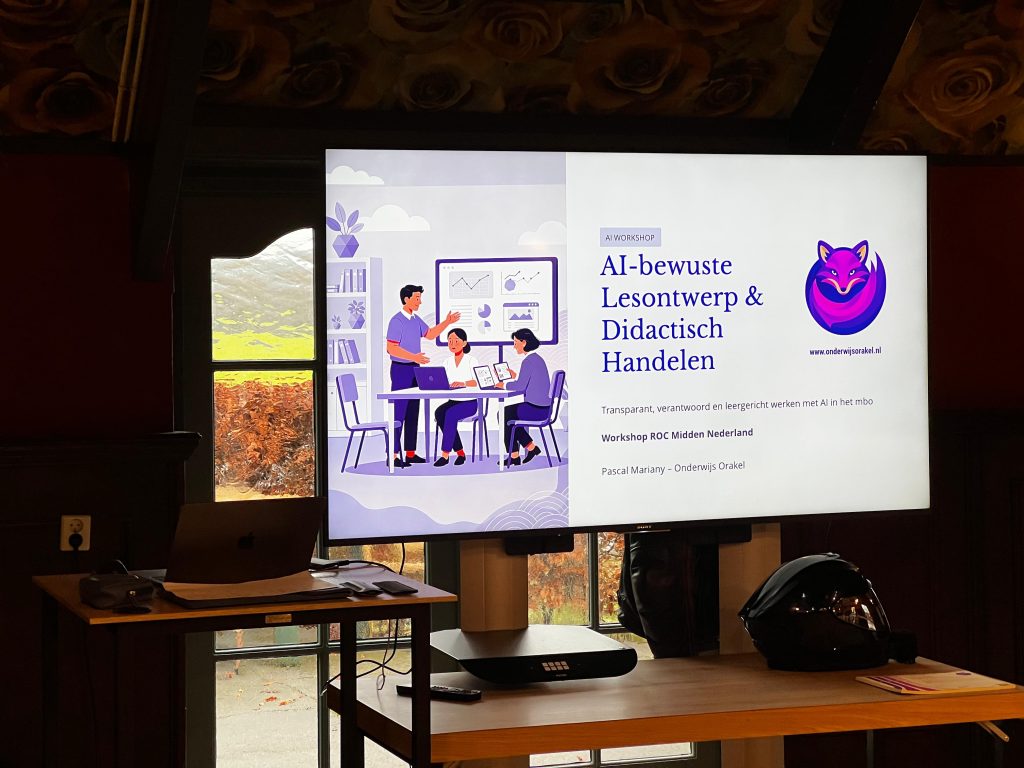
From AI hype to pedagogical clarity
AI is already here. Students are using it. Teachers feel the urgency. But between allowing and banning lies a large, important area: conscious design.
In this training, that tension was not avoided, but deliberately made explicit.
The core message was clear and liberating:
Using AI is not a technical question, but a design question.
Not: What can AI do?
But: What role do we give AI in learning and assessment?
Concrete, practical and ready to use
No abstract grand visions, but rolling up our sleeves. Every participant went home with:
- an AI-aware lesson or professional assignment from their own practice
- clear agreements on what students do themselves and where AI may support them
- an example prompt that can be used in class straight away
- a suitable teaching activity to stimulate critical thinking
- and a professional justification for colleagues and examination boards
All transparent, responsible and within the frameworks of the EU AI Act.
AI as a learning partner, not as an assessor
An important insight that stuck: AI may mirror, structure, ask questions and give feedback.
But decide, assess or replace? No.
The “golden design rule” became the guiding principle:
As long as AI advises and does not decide, you stay out of high risk.
That brought both peace of mind and room to manoeuvre. Room to experiment. Peace of mind because it is legally, ethically and pedagogically sound.
Critical thinking as the common thread
AI output was never the end point, but always the starting point for thinking.
Participants designed assignments in which students:
- evaluate AI suggestions
- justify their choices
- make improvements
- reflect on their learning process and AI use
That way, ownership stays where it belongs: with the student.
More than a workshop
What made this day special was the combination of:
- clear frameworks
- practical tools
- room for doubt and sharp questions
- and a positive, inquisitive atmosphere
No scaremongering. No blind enthusiasm.
But professional confidence: this is something we as teachers can design.
On to more AI-literate education
AI literacy turns out not to be about knowing more about technology, but about setting better boundaries.
About daring to make choices. About being transparent. About putting learning at the centre.
And that is exactly what this training sparked.
Would you also like to work on AI-aware lessons that are learning-focused, responsible and immediately applicable?
Then this is not a nice-to-have, but a next step.
Together we make AI visible, open to discussion and valuable in education. Do get in touch.
Digital AI Goodie Bag, download it here:
In the AI Goodie Bag, which is available to everyone, you will find everything you need to keep building on your own: a hand-out and checklist AI as a partner in supervision and assessment, an AI logbook for students, rubrics with AI criteria, an accountability template for examination boards, example material for AI-aware lesson assignments and a knowledge clip on working with agents. Not loose inspiration, but coherent tools to design AI in a learning-focused way, encourage critical use and be able to explain professionally why you make the choices you make. Free to use, adapt and share within your team.